
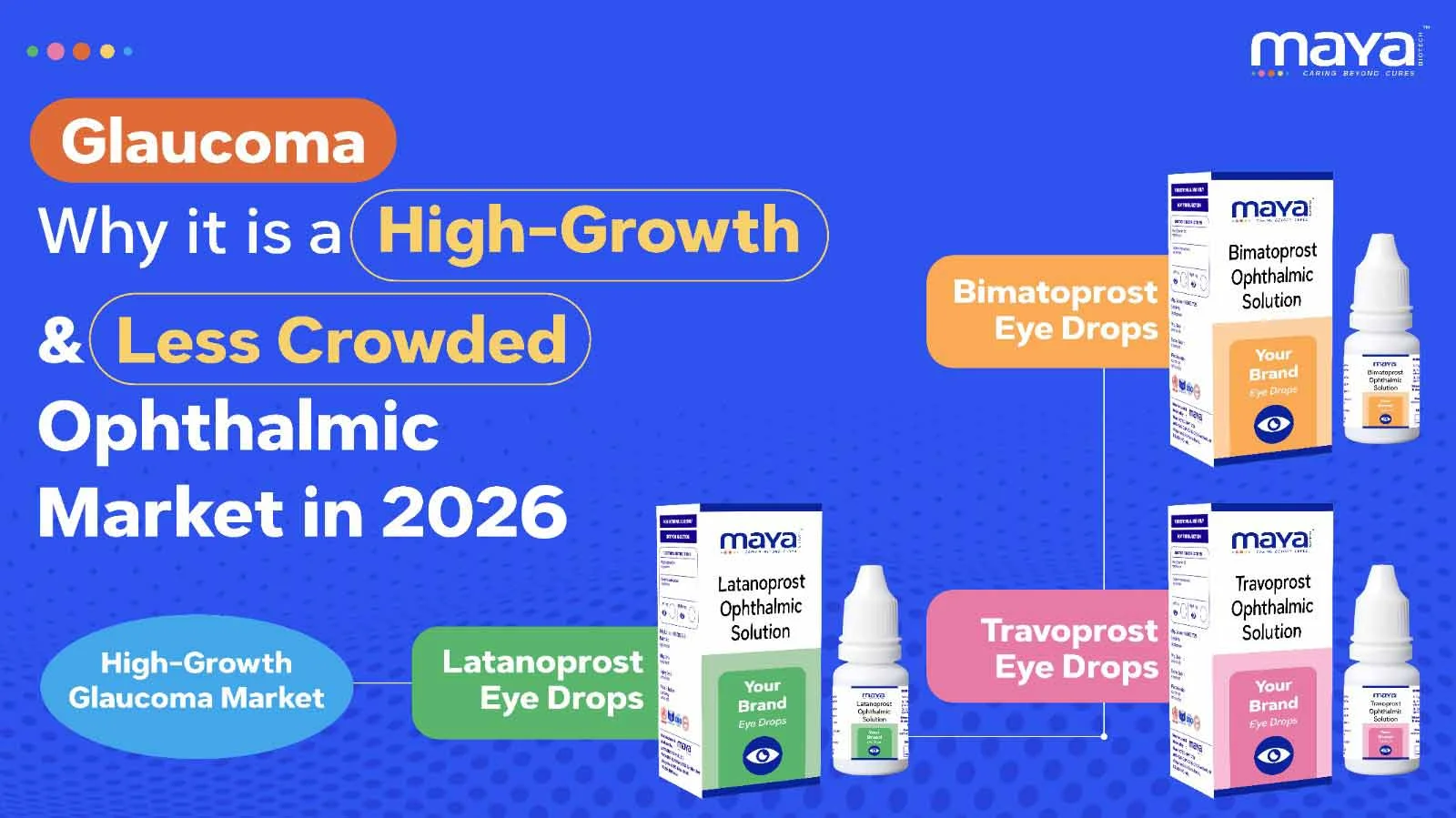
Learn why the global glaucoma treatment market is rapidly expanding despite limited competition.In such cases, Carboxymethylcellulose Sodium Eye Drops (often called CMC Eye Drops) may be beneficial to soothe, protect and hydrate the eyes.
What Is Glaucoma?
Glaucoma is a chronic, progressive disease of the eye that causes damage to the optic nerve — the nerve that is important in connecting the eye to the brain. The optic nerve damage commonly occurs due to a condition known as elevated intraocular pressure (IOP), however glaucoma can also occur with normal IOP levels. Glaucoma is one of the leading causes of irreversible blindness globally. What makes glaucoma so dangerous is that it typically progresses silently. Patients do not know they have glaucoma until much of their vision has been lost. Due to this reason, glaucoma is often referred to as the “silent thief of sight.”
While glaucoma primarily affects middle-aged and elderly adults, it can also occur in younger populations due to genetics, trauma, excessive use of steroids or other underlying diseases. There are several different types of glaucoma including open-angle glaucoma, angle-closure glaucoma, congenital glaucoma and normal-tension glaucoma, but the most common form is primary open-angle glaucoma (POAG), which develops slowly over years.
As the prevalence of glaucoma rises globally, the demand for consistent long-term treatment has continued to grow. Long-term treatment relies heavily on glaucoma medications, especially prostaglandin analogues such as Latanoprost, Travoprost, Bimatoprost, as well as beta-blocker eye drops. These medications help lower IOP, protect the optic nerve and slow the progression of vision loss.
Given that patients require lifelong treatment/management, the glaucoma market is always expanding and has created high demand for reliable manufacturers that specialize in ophthalmic formulations. Glaucoma has become one of the most sustainable, stable and growth-driven markets within the pharmaceutical space.
Symptoms of Glaucoma – What the Patient Experiences
Glaucoma symptoms vary depending on the type and stage of the disease, but early symptoms are so mild that patients rarely notice anything until the condition has already advanced. This is why glaucoma is so widely undiagnosed. In open-angle glaucoma (the most prevalent form), patients gradually lose peripheral (side) vision. They may feel like they are looking through a narrow tunnel, but this change occurs so slowly that the brain accommodates easily making the condition very difficult to detect.
Common symptomatic changes associated with glaucoma are blurred vision, difficulty adjusting to dark surroundings; intermittent headache, eye strain, halos around lights and an overall decline in visual clarity. In more severe or acute forms of glaucoma; patients may experience sudden eye pain, intense headache, nausea, accompanied with rapid loss of vision. All of these symptoms are consistent with a medical emergency and if not treated, they could lead to irreversible damage.
One major challenge is that people often attribute these early symptoms to aging, stress or tiredness. Consequently, millions of patients remain undiagnosed and untreated until the damage to the optic nerve gets to the stage of being irreversible. After the age of 40, regular eye exams become essential, particularly for individuals with a family history of glaucoma, diabetes, hypertension or long-term use of steroids.
The persistence of these symptoms results in the need for ongoing, long-term treatment. This is where the pharmaceutical market gains strength. The primary treatment choice for glaucoma considered by doctors globally consists of prostaglandin analogues and beta-blocker eye drops, which must be used once daily, often for life, in order to safely control IOP.
This lifetime dependence is one of the primary drivers of increasing demand for glaucoma treatment worldwide and explains why companies that entered this market segment see ongoing revenue and market stability.
What is Usually the First Sign of Glaucoma?
The first sign of glaucoma is typically peripheral vision loss which is so subtle that patients rarely ever notice it. This early symptom develops gradually and silently, making glaucoma very difficult to detect without a comprehensive eye examination. Unlike other eye diseases that produce obvious signs or discomfort, when glaucoma continues to develop there is often no pain or noticeable irritation, which provides patients with a false sense of reassurance.
The loss of peripheral vision occurs when the increased intraocular pressure gradually damages the optic nerve fibers that provide side vision. As more fibers die, blind spots start to develop. However, the brain compensates for the missing information, which is why patients may often continue to perform their daily activities without realizing they have lost peripheral vision. By the time the central vision is affected, the disease is already advanced.
In many cases, patients only identify the first signs when they accidentally bump into objects, struggle with night driving or notice difficulty seeing things from the corners of their eyes. Eye doctors often describe glaucoma as a “silent progression,” meaning even moderate vision loss can go unnoticed for years.
Because of this silent nature, early detection becomes crucial. Regular eye health checks, especially for individuals above 40 or those with a family history of glaucoma, play a major role in identifying the disease before irreversible damage occurs.
From a pharmaceutical standpoint, this early symptom drives enormous demand for consistent medication because once diagnosed, the treatment must begin immediately — and continue lifelong. This creates a strong, stable market for Latanoprost, Travoprost, Bimatoprost, and beta-blocker eye drops, which help lower IOP and slow the progression of the disease.
Glaucoma Market Analysis: Why It Remains Less Crowded
The global glaucoma market analysis highlights a clear opportunity: increased prevalence rates of glaucoma and yet, the ophthalmic market remains less crowded. The glaucoma market is less populated than other more saturated markets: antibiotics, analgesics, dermatology or dietary supplements. The glaucoma ophthalmic market has significantly fewer manufacturers due to higher technical and regulatory hurdles.
Manufacturing various ophthalmic formulations requires sterile environment that is contamination-free, has sterile filling machines along specialized packaging and strict quality control. Not many pharmaceutical companies have the facilities to manufacture ophthalmic formulations, especially when it comes to producing sensitive molecules such as Latanoprost, Travoprost and Bimatoprost, which require a stable temperature and pH. Therefore, the additional technical requirements automatically limit competition.
The largest hurdle is the regulatory challenges. Ophthalmics require a much tougher regulatory scrutiny than oral medications. The approval process takes longer, quality standards are higher and clinical validation is not simple.
The Profitable Glaucoma Market
The glaucoma market is considered one of the most profitable sectors in pharma for various market advantages. First, glaucoma is a chronic disease. Once diagnosed, the patient is on a treatment regimen of medications daily and in most cases twice a day for their entire life. This creates a consistent and niche demand for eye drops, particularly prostaglandin analogues and beta-blocker eye drops.
Second, the global diagnosed patient population is rapidly increasing. Aging populations, high screen-time lifestyles, diabetes, hypertension and poor awareness in developing countries contribute to rising glaucoma prevalence. The need for long-term therapy increases with the rising number of cases. This is especially true for medications such as Latanoprost, Travoprost and Bimatoprost.
Third, the ophthalmic market enjoys premium pricing. Prostaglandin analogues are some of the most high-value products with incredible margins. Even generic versions of these products command significant price due to their specialized manufacturing requirements. Across many countries, glaucoma medications fall under chronic therapy categories which perform extremely well commercially.
Another key factor is low competition. There are not many companies that manufacture ophthalmic formulations, leaving the field more open to manufacturers who invest in sterile facilities. This low level of competition allows companies to dominate market segment more quickly and secure government tender contracts for long-term supply.
Lastly, export demand is tremendous. Latin America, the Middle East, Africa and parts of Southeast Asia have growing populations of glaucoma patients, yet remain relatively under-serviced with few local manufacturers. This supply gap creates extreme possibilities for exporting product at greater margins and increased chances of partnership for long-term supplies.
The combination of all of these factors make glaucoma an extremely profitable and high growth category for pharmaceutical companies.
Prospects for Travoprost, Bimatoprost & Latanoprost
The use of prostaglandin analogues like Latanoprost, Travoprost and Bimatoprost is dominating the global treatment landscape for glaucoma because of their strong intraocular pressure lowering effect. Of the three, Latanoprost continues to lead as the world’s most prescribed glaucoma medication, offering high volume business opportunities for manufacturers. Latanoprost’s formulation is relatively stable compared to other prostaglandins.
However, Travoprost presents an even more lucrative opportunity because of low competition. Very few manufacturers produce high-quality Travoprost formulations, especially preservative-free versions that are preferred in international markets. This creates premium pricing and strong export potential. Doctors shift to Travoprost when Latanoprost is ineffective, expanding further demand.
Bimatoprost, on the other hand, has a significant dual market opportunity with indications for both glaucoma treatment and cosmetic eyelash treatment. Notably, the 0.03% Bimatoprost concertation used for cosmetic purposes is extremely high in demand in countries such as the USA, UAE, Saudi Arabia and Brazil. Bimatoprost has the favorable distinction of being both a medical and a cosmetic product which opens a very large opportunity for profits.
In addition, combinations such as:
- Latanoprost + Timolol
- Bimatoprost + Timolol
are becoming increasingly common and will improve the overall ophthalmic product portfolio.
Additionally, for manufacturers with sterile capacity, entering the Latanoprost vs Travoprost market can unlock both volume-driven and margin-driven opportunities. Generic Latanoprost is excellent for high-volume tenders. Travoprost and Bimatoprost are ideal for premium branding and exports.
As the demand for glaucoma solutions continues to grow, working with a trusted third-party ophthalmic product manufacturer, such as Maya Biotech, ensures you are supplying quality, innovation and reliability in each drop.
If you are looking to collaborate for contract manufacturing of eye drops or expand your brand’s ophthalmic range, Maya Biotech is your dependable manufacturing partner in India.